 IPTVMAX
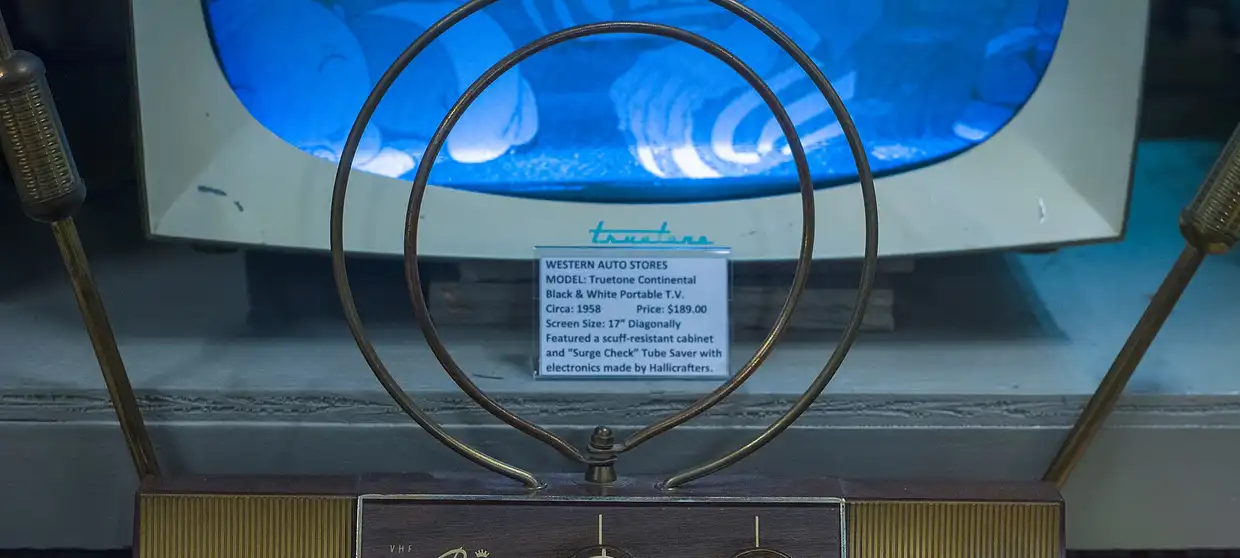

When the antenna wins
- You are close to the transmitters, usually within 30 miles with clear line of sight.
- Your viewing is mostly local news, network prime time and NFL games on CBS, FOX and NBC.
- You want the lowest possible monthly bill: after the antenna, it is zero.
Place the antenna high and near a window facing the transmitters. In an apartment, the side of the building that faces the towers makes a large difference.
When streaming wins
- The FCC map shows your stations in orange or red, or you are behind a ridge.
- You also want ESPN, NFL Network, regional sports or news channels that never come over the air.
- Several people watch on different TVs, phones and tablets at once.
- You travel and want your home stations elsewhere.
Using both
Plenty of homes keep an antenna on the main TV for local stations and use streaming for everything else. Smart TVs from LG, Samsung and others show antenna channels in the same guide as streaming apps.
Picture quality, honestly
A strong antenna signal shows the station’s broadcast without streaming compression. Streams of the same station are good but can soften in fast motion, and some services cap resolution at 720p for local feeds.
What readers want to know
Does an amplified antenna always work better?
No. An amplifier helps long cable runs and weak signals, but it can overload the tuner when transmitters are close. Try without it first.
Can I watch antenna TV on my phone?
With a network tuner such as an HDHomeRun or a Tablo connected to the antenna, yes, around the house and sometimes away from home.
Why is the game on my antenna ahead of my friend's stream?
Streaming encodes, sends and buffers the picture, which adds anywhere from a few seconds to half a minute. Over the air is the fastest feed.
Sources we checked
- FCC: Antennas and digital television · read October 15, 2026
- FCC: DTV reception maps · read October 15, 2026